
Five Core Configurations Affecting Machining Centre Stability and Lifespan
3/31/20262 phút đọc
Introduction to Machining Centre Stability
Machining centres are indispensable machinery in modern manufacturing, providing precision and efficiency in various applications. The stability and lifespan of these machines are crucial factors that directly affect productivity and operational costs. This article explores the five core configurations that significantly influence the stability and longevity of a machining centre.
1. Structural Rigidity
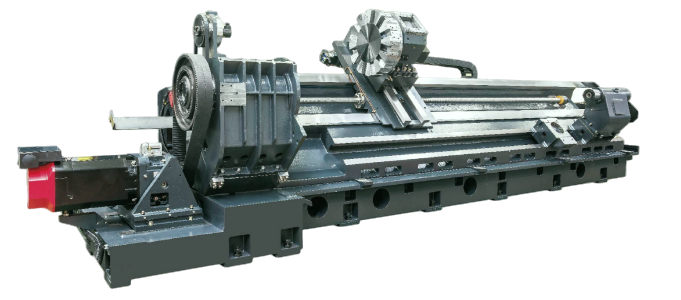
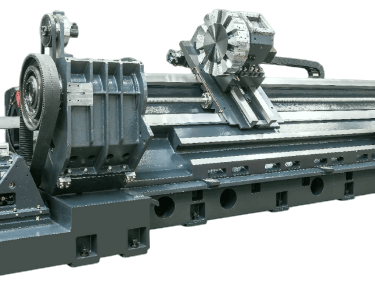
The first core configuration to consider is the structural rigidity of the machining centre. A robust construction minimizes vibrations during operation, which can lead to wear and tear on components. High-quality materials, such as cast iron and steel, typically provide the necessary density and strength. Furthermore, the design should include an optimal weight distribution to enhance stability during machining tasks.
2. Precision Alignment
Precision alignment of the machine components is another critical factor affecting stability. Misalignment can lead to inaccuracies in machining operations, which not only hampers productivity but also increases tool wear. Regular maintenance and calibration are essential to ensure that all parts, including the spindle, tooling, and workpiece, remain aligned throughout the machining process. Investing in advanced alignment tools can help in achieving and maintaining the required precision.
3. Thermal Stability
Thermal stability plays a vital role in maintaining the machining centre's accuracy and prolonging its lifespan. As machines operate, friction generates heat, which can lead to thermal expansion of components, causing dimensional shifts and inaccuracies. Incorporating cooling systems, such as liquid cooling or forced air cooling, can mitigate temperature fluctuations, thus preserving the integrity of both the machine and the final product.
4. Vibration Control
Vibration control mechanisms are essential to enhance the machining centre's stability. External vibrations from nearby equipment or the factory floor can adversely affect performance. Implementing anti-vibration pads or mounts can significantly reduce the impact of these disturbances. Moreover, ensuring that the base of the machining centre is well-balanced and securely anchored will further enhance resistance to such external influences.
5. Maintenance Protocols
Finally, adherence to a rigorous maintenance protocol is paramount for sustaining both stability and lifespan. Regular inspections, cleaning, and timely replacements of worn-out components contribute to the overall health of the machine. Utilizing predictive maintenance solutions can also aid in identifying potential issues before they escalate into costly failures, thereby extending the lifespan of the machining centre.
Conclusion
In conclusion, ensuring the stability and lifespan of a machining centre hinges on several core configurations including structural rigidity, precision alignment, thermal stability, vibration control, and effective maintenance. Manufacturers looking to enhance the performance of their machining centres should focus on these key aspects, ultimately leading to improved productivity and cost-efficiency in operations.